

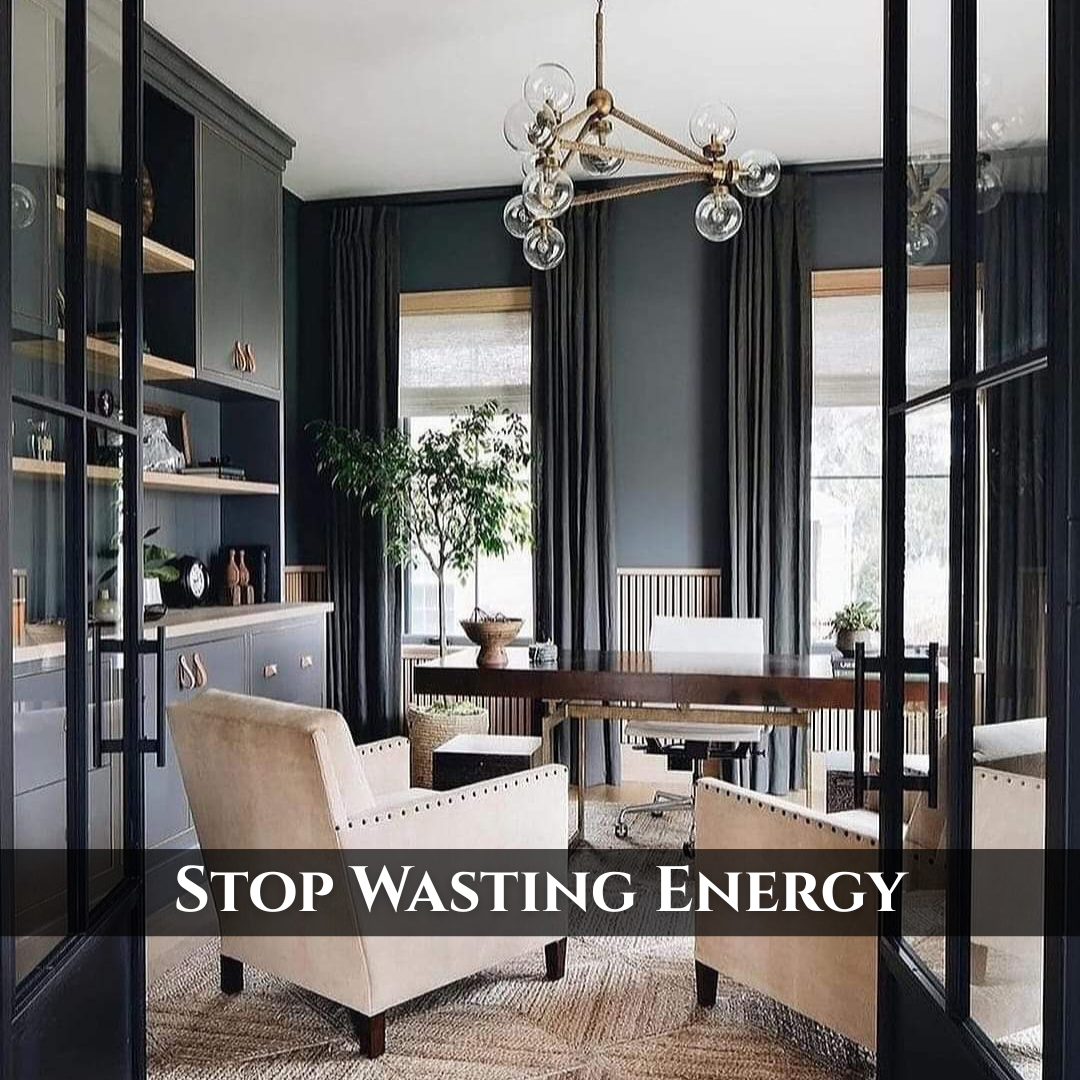
Sometimes the easiest way to lower household expenses isn’t a dramatic renovation. It’s figuring out where your home is quietly wasting energy. 💡
Heating and cooling are major household energy uses, so start with the basics. Replace HVAC filters as recommended, maintain your system, use thermostat settings intentionally, and check doors and windows for air leaks. Weatherstripping and caulk can be relatively inexpensive fixes when conditioned air is escaping.
Lighting matters too. Energy-efficient bulbs, timers, and smart controls can reduce unnecessary use. When replacing appliances, compare energy consumption rather than focusing only on the purchase price. 🌡️
Don’t overlook water heating. Lower-flow fixtures, addressing hot-water leaks, and sensible water-heater settings can contribute to household efficiency.
For homeowners considering larger improvements, insulation, upgraded windows, efficient HVAC equipment, or certain smart-home systems may be worth evaluating based on the home’s needs and expected ownership timeline.
An energy-efficient home isn’t only about lowering utility bills. Greater efficiency can improve comfort and make the property easier to maintain. Sometimes saving money starts with simply stopping the house from wasting it.
Key Takeaways ✔
✔ HVAC maintenance and air sealing are good places to start when improving efficiency.
✔ Small changes can reduce unnecessary household energy use.
✔ Evaluate larger upgrades based on cost, home condition, and how long you plan to stay.